Back to Blog

Presentation Verifik
2026 revenue projection
ZELF Team•
The name Thebes is primarily applied to two prominent ancient cities, both known for their mythical and historical prominence. The names share the same English spelling but originate from entirely different etymological roots. [1, 2, 3, 4]
1. Thebes, Greece
- Origin: From Ancient Greek Θῆβαι (Thêbai), which is a plural form reflecting the city's origins as a collection of villages. [1, 2]
Roots: The word itself is pre-Greek or "substrate," meaning it was adopted by early Greek speakers from the indigenous populations who lived in the region before the arrival of the Mycenaeans. [1, 2]
Mycenaean Era: The Mycenaean form is found on Linear B tablets as te-qa, representing an archaic form Tʰēgʷā. [1]
Mythological Association: The ancient Greeks later associated the name with various mythological figures named Thebe, such as the daughter of the river god Asopus. [1]
2. Thebes, Egypt
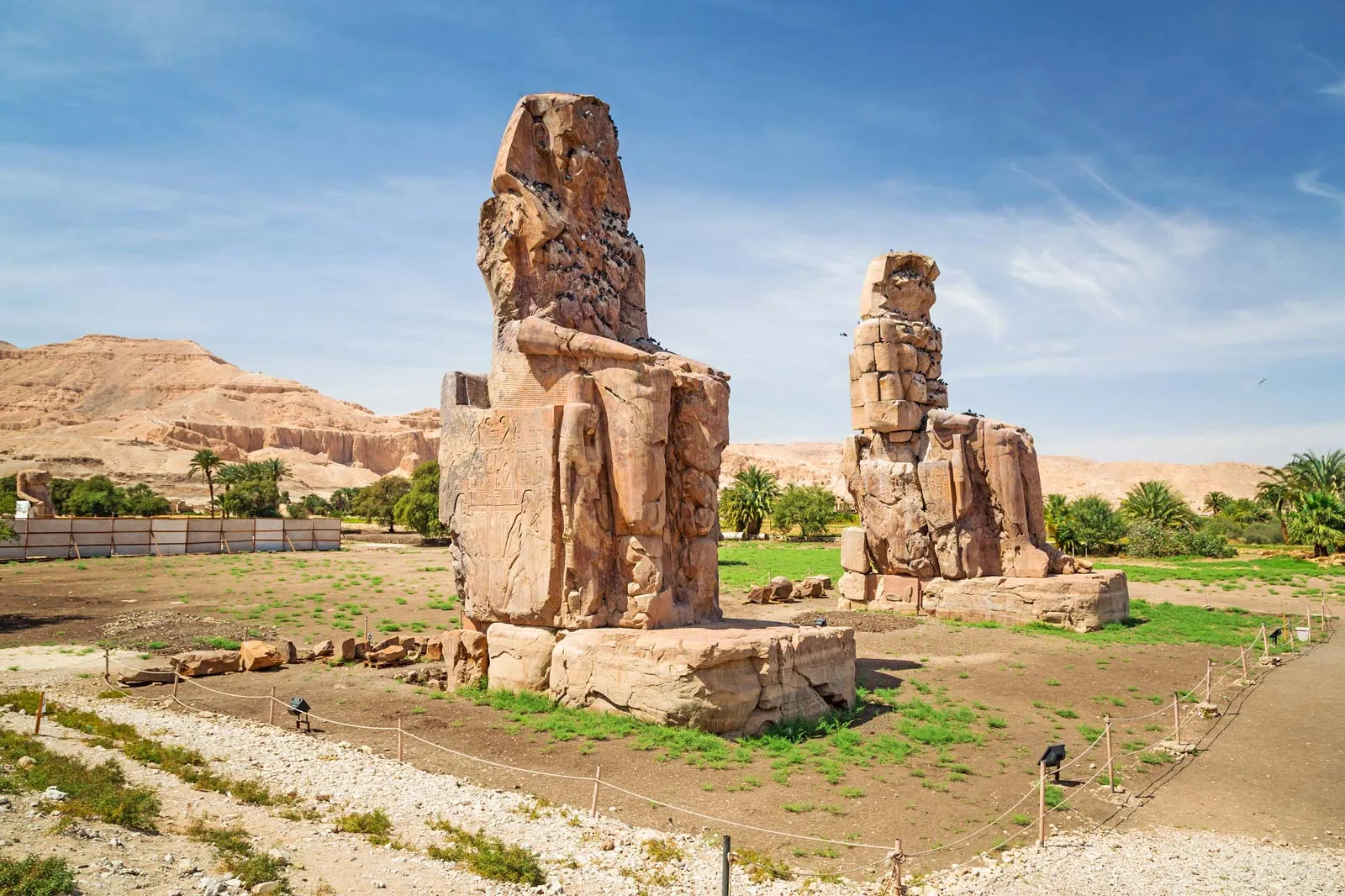
Origin: The Greeks applied their name Thebai to the ancient Egyptian capital of Waset (the modern-day area of Luxor and Karnak) due to its size and prominence. [1, 2, 3, 4]
- Egyptian Root: The original Egyptian name stems from the Demotic tꜣ-jpy (meaning "the temple") or jpt (referring to the inner sanctum of the temples, such as the Temple of Luxor). [1]
- Meaning: It essentially translates to "the temple" or "the sanctuary". Because Thebes was a major cult center for the god Amun (whom the Greeks equated with Zeus), it was also referred to by the Greeks as Diospolis (City of Zeus). [1, 2]
If you are interested in ancient history, I can dive deeper into:
- The mythological stories associated with the Greek Thebes (like Oedipus or Cadmus).
- The pharaohs and monuments of Egyptian Thebes.
- How the Greeks connected the two cities in their literature.
Let me know which topic you'd like to explore next!
Economics