Back to Blog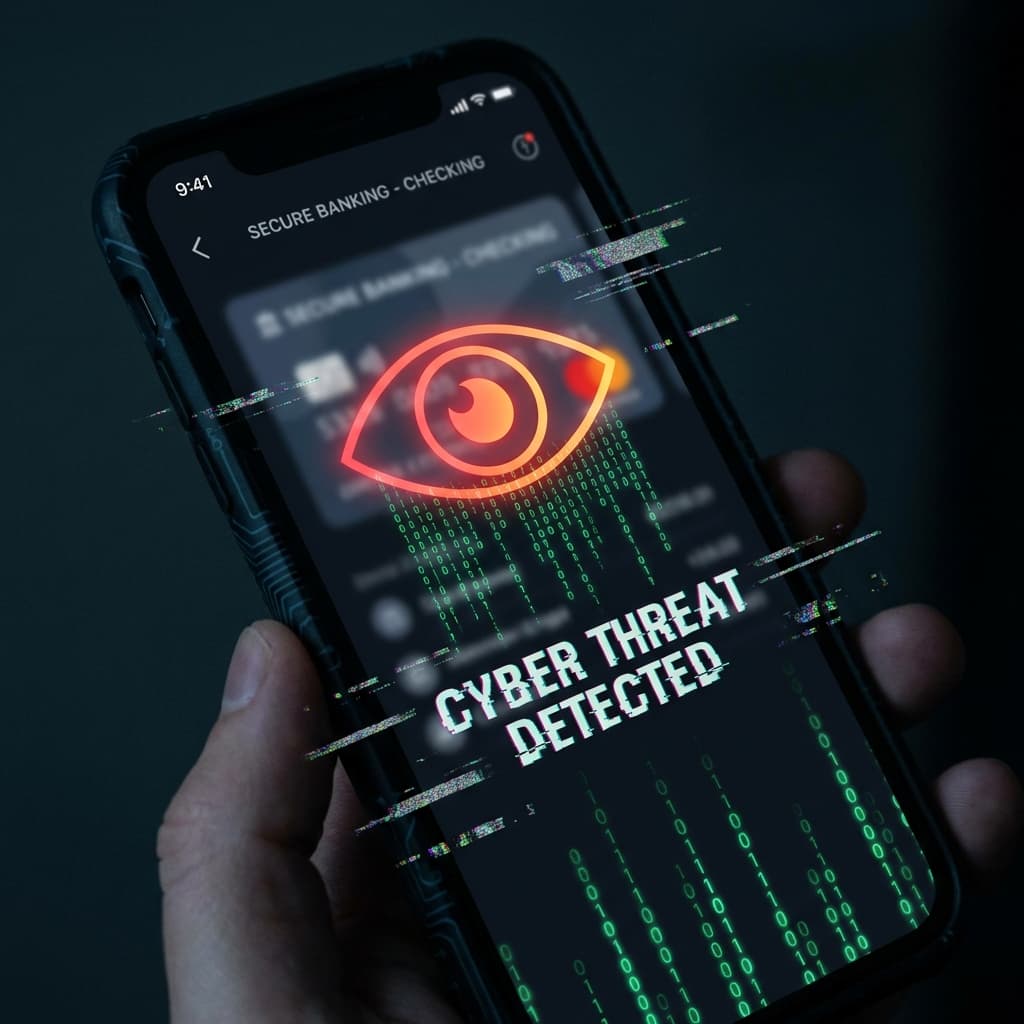
When Your Screen Spies on You: The Android Side-Channel Attack
Researchers have discovered a hardware-level vulnerability in Android that allows malicious apps to steal 2FA codes directly from your screen. Here is why software isolation is failing.
Miguel Treviño•
TL;DR:
- The Bug: A hardware-level side-channel vulnerability allows malicious Android apps to "spy" on the screen by analyzing GPU interactions.
- The Impact: This bypasses app isolation, allowing attackers to steal 2FA codes and seed phrases as they are displayed.
- The Vulnerability: Relying on "secrets you can see" (OTP codes, passwords) is inherently flawed when hardware isolation fails.
- The Solution: Zelf uses ZK Face Proof to derive keys inside the secure enclave; keys are never displayed on-screen, making screen-scraping useless.
We rely on our phones to be secure vaults. We assume that when we open our banking app or Google Authenticator, other apps can't see what's happening.
We were wrong.
As reported by Officer CIA, researchers have uncovered a hardware-level side-channel vulnerability in Android devices.
The "Screen Spy"
This vulnerability allows a malicious app—installed on the same device—to infer what is being displayed on your screen by analyzing shared hardware resources (like GPU interactions).
What does this mean?
- That "unhackable" 6-digit 2FA code you just generated? Stolen.
- The seed phrase you just typed into your wallet? Compromised.
- Your private messages? Read.
Crucially, this bypasses the standard "app isolation" sandbox that Android relies on. And worse, Google has reportedly labeled this "Infeasible" to fix on existing hardware.
Why "Your Face Is Your Key" Wins
This is the exact scenario Zelf was built for.
Legacy security relies on secrets you can see: passwords, seed phrases, OTP codes. If it's on your screen, it can be scraped, photographed, or spied on.
Zelf is different.
- Invisible Keys: With Zelf, your private key is never displayed on the screen in plaintext. It is derived from your ZK Face Proof inside the secure enclave.
- No Codes to Steal: You don't type a password or copy a 2FA code. You simply scan your face. Even if a malicious app is watching your screen, it cannot "replay" your face scan or steal the zero-knowledge proof generated inside the hardware security module.
Hardware vulnerabilities will always exist. Your security architecture shouldn't crumble when they are discovered.
androidmobile-security2faprivacy